





What it really costs to start out as a lash artist
 Kru May
Maison du Cil Thailand · 14 September 2026
Kru May
Maison du Cil Thailand · 14 September 2026
In this article
Part 1 — the training Part 2 — the kit you need from day one Part 3 — the workspace Where you must not economise Where you can economise without hurting the work The costs people forget Work out your own break-even What matters more than moneyThe question we get asked most often before someone decides to train is “how much money do I need?” — and the answer you find online is usually a single bare number that doesn't say what it includes.
This article breaks it down line by line, and says plainly which items you can economise on and which you shouldn't.
Part 1 — the training
This is the biggest single cost, and the one people try hardest to economise on. It is also the most expensive mistake.
The reason is simple: you will work the way you were taught for years afterwards. If your foundations are wrong, you'll spend the next two years unlearning habits, and lose dozens of clients along the way.
What to look at instead of the price
- Is there hands-on practice on real work, or only watching?
- After you finish, can you still ask questions, or is that the end of it?
- Is there a certificate clients will actually trust?
- Is the teacher still working, or have they only taught for years?
Part 2 — the kit you need from day one
This is the practical minimum, not the dream setup.
| Item | Notes | Can you economise? |
|---|---|---|
| Glue | Start with a single one that suits your hands | No |
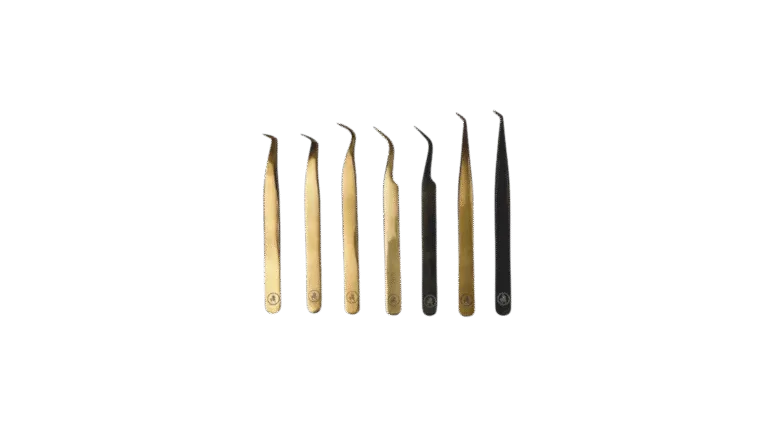
| 2 pairs of tweezers | Straight to isolate, curved to place | No |
| 3–4 trays of lashes | C curl 0.15, lengths 8–12 mm covers most work | Somewhat |
| Under-eye pads | Buy plenty — you'll go through more than you expect | Yes |
| Lash cleansing foam + brush | The most important step. Don't skip it. | No |
| Medical tape | The skin-friendly kind | Yes |
| Glue remover | Needed from day one, in case you have to correct work | No |
| Primer | Necessary for clients with oily skin | Somewhat |
| Small lash fan | Reduces stinging for the client | Yes |
| Hygrometer | A few hundred baht, but it changes the quality of your work considerably | Yes, but don't skip it |
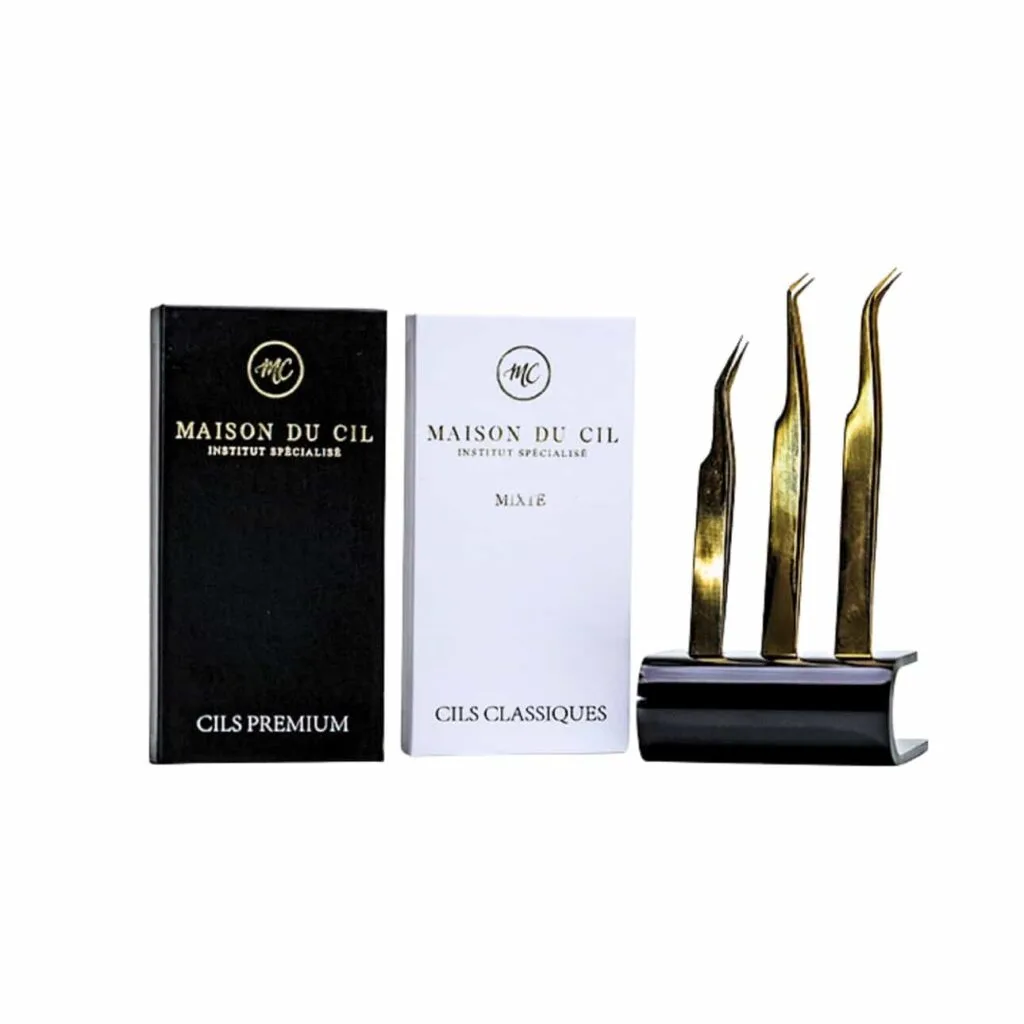
Part 3 — the workspace
Most Thai artists start from home, which is the financially correct decision — but there are still things to buy.
- A bed or couch for the client — they have to lie comfortably for 2–3 hours. A client whose back aches won't come back.
- Your own chair — this is where people economise most wrongly. A chair whose height you can't adjust will give you back pain within six months, and back pain is the single biggest reason lash artists leave the profession.
- A work lamp — it should be adjustable and not hot. Insufficient light makes you lean in further without noticing.
- A trolley or side table — anything within reach that doesn't make you twist.
Where you must not economise
If money is tight, cut elsewhere — but not on these three.
- Glue and tweezers — these two directly determine the quality of your work. A cheap glue that stings a client's eyes will cost you that client and all of her friends.
- Your own chair — your body is the thing you earn a living with.
- The training — for the reasons above.
Where you can economise without hurting the work
- Don't buy every lash size at the start Buy the 3–4 trays you'll use most, then add as real clients ask for them. Lashes bought and never used are money lying idle.
- Don't rent a studio yet Work from home until your schedule has been consistently full for at least three months.
- Don't pay for signage or branding yet Your first 20 clients come from people you know and from LINE, not from a logo.
- Don't buy several glues yet Get fluent with one first.
The costs people forget
These are the ones that blow the budget in month three.
- Consumables you rebuy every month — under-eye pads, tape, cotton, brushes, micro brushes.
- Glue that expires before you finish it — opened glue lasts 1–2 months. While your client numbers are still low, you'll throw away a fair amount early on.
- The time before there's any income — for the first two or three months you'll work slowly and take few clients. Keep savings for that stretch.
- Practice mannequins and practice lashes — you'll spend dozens more hours on a mannequin after your training ends.
Work out your own break-even
A simple formula that actually works.
Number of clients to break even = total investment ÷ (price per client − material cost per client)
Say you invested 40,000 baht, charge 1,200 baht for a full set, and your materials cost around 150 baht per client.
40,000 ÷ (1,200 − 150) = about 38 clients
If you see 3 clients a week, you break even within 3 months, which is a reasonable figure for this profession.
Try it with your own numbers. If the answer comes out over six months, it means your prices are too low — not that you invested too much.
What matters more than money
What takes one artist further than another isn't the amount invested on day one. It's the number of hours practised in the first three months.
An artist who practises on a mannequin an hour a day for the first month will be ready for real clients many times sooner than one who bought every piece of equipment but practises once a week.
Our three online courses open in October 2026. Sign up now for the launch price, and get the free lesson immediately.
An online lash extension course with Kru May: learn anywhere, any time, with a French certificate and a support group that answers every question.
- Launch price
- 48 hours of early access
- A free lesson, soon
A question about your own work? Message Kru May on LINE Monday–Saturday, 10:00–19:00